Corporate Event Transportation Planning: A Pro Guide
Corporate event transportation planning is the strategic coordination of vehicles, routes, and schedules to move attendees efficiently between hotels, airports, and venues. It ensures punctuality, enhances the attendee experience, and maintains professional standards through organized shuttle loops, VIP transfers, and expert logistics management for seamless conference execution.
Why is corporate event transportation planning critical?
When you are organizing a large-scale conference or a high-stakes corporate retreat, every minute of the agenda is carefully mapped out. If your attendees are stuck at a hotel lobby waiting for a ride, or if your keynote speaker is delayed due to a missed airport transfer, the entire schedule begins to crumble. Effective transportation planning isn't just about moving people from point A to point B; it’s about protecting the investment your company has made in the event itself.
Professional transportation sets the tone for the entire experience. From the moment an executive lands at ACY or PHL, the quality of their ride reflects the quality of the event. A smooth, chauffeured experience allows attendees to relax or catch up on emails rather than stressing over navigation or ride-share wait times. By centralizing these logistics, you eliminate the "where is everyone?" anxiety that plagues many event planners. Utilizing a dedicated Limousine service ensures that you have a partner who understands the local geography and traffic patterns, which is vital for maintaining a tight schedule.
Effective planning also mitigates risks. Weather delays, road closures, and unexpected flight changes are inevitable. A robust plan includes contingencies for these scenarios. When you work with a professional team, you aren't just booking cars; you are hiring a logistics dispatch center that monitors traffic in real-time. This level of oversight is what keeps a 500-person conference running like clockwork, even when the unexpected happens.
How do you organize efficient shuttle loops?
Shuttle loops are the backbone of most large corporate events. They connect the primary lodging locations to the venue, ensuring that sessions start on time. The key to a successful loop is frequency and visibility. If attendees don't know when the next shuttle is coming, they will default to calling an Uber, which adds congestion to the venue entrance and breaks the unified group experience.
To build an efficient loop, start by analyzing your peak times. Most movement happens in the morning before the opening remarks and in the evening after the final session or gala. During these windows, you need "load and go" service, where a vehicle is always waiting. During off-peak hours, you can transition to a scheduled frequency, such as every 20 or 30 minutes. Communicating this clearly through the event app and physical signage at the hotel and venue is essential.
- Determine peak arrival and departure windows.
- Map out the most efficient routes, avoiding school zones or construction.
- Assign specific pick-up and drop-off points with clear signage.
- Use right-sized vehicles like a Mercedes Sprinter for efficiency.
- Maintain a direct line of communication with the lead chauffeur.
Strategic VIP Arrival Coordination
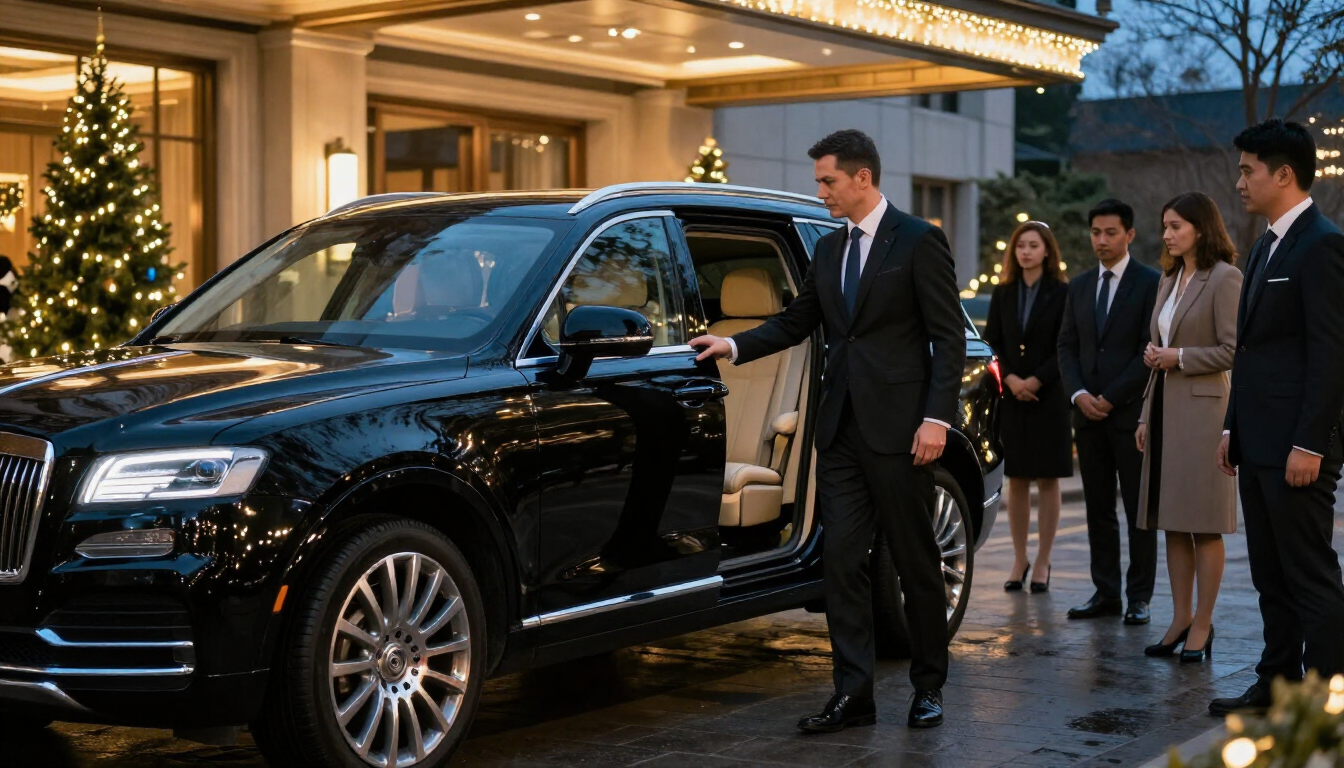
While the general attendee population might be served by shuttles, your VIPs, keynote speakers, and C-suite executives require a different level of attention. These individuals often have complex schedules that don't align with the general shuttle loop. For them, individualized airport transfers and dedicated hourly service are the standard. This is where your choice of Fleet becomes a statement of your brand’s professionalism.
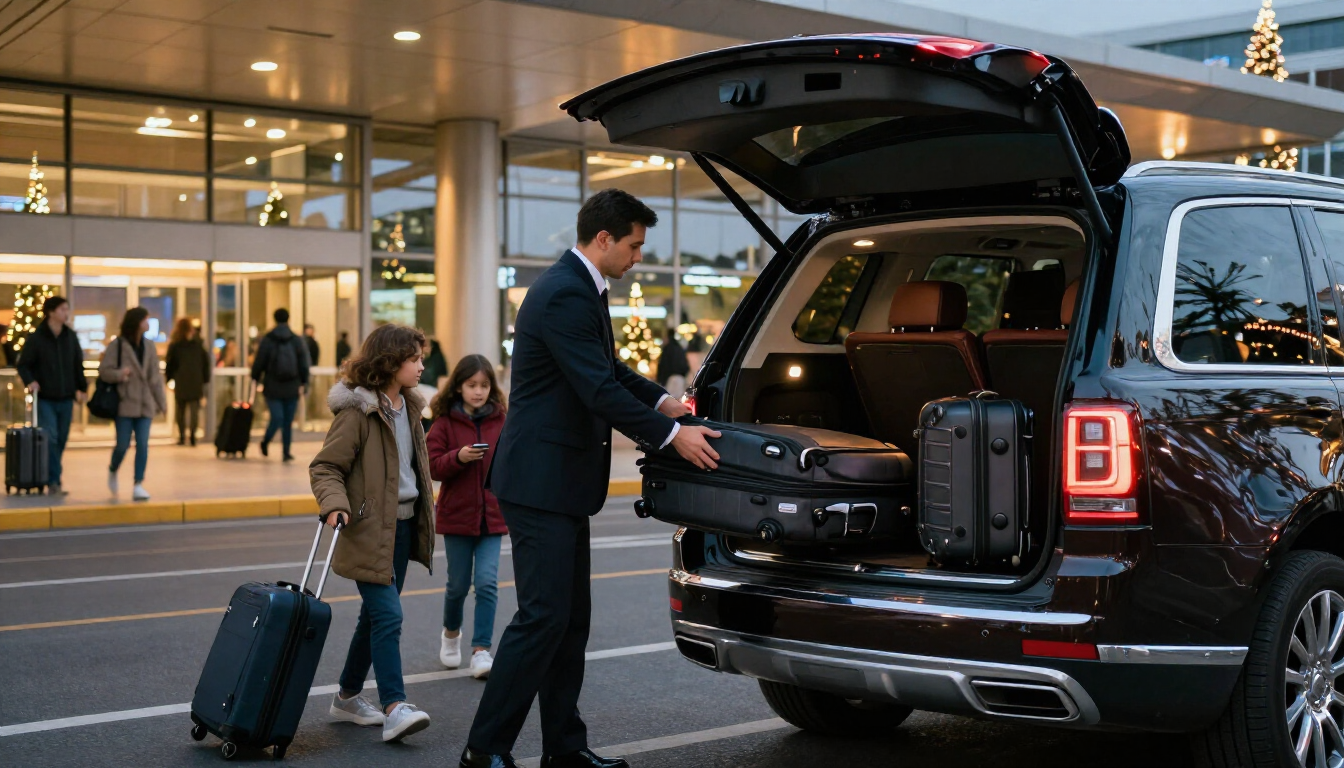
For VIPs, the experience begins at the arrival gate. A "Meet and Greet" service, where the chauffeur meets the guest at baggage claim with a digital sign, removes the stress of navigating a busy airport like EWR or JFK. From there, they should be escorted to a premium vehicle, such as a Cadillac XT5 or a Lincoln Navigator, equipped with amenities like bottled water and charging ports. This transition period is often the only downtime these executives have, so a quiet, clean, and professional environment is non-negotiable.
Coordination for VIPs also requires a high degree of flexibility. Flights are frequently delayed, and meetings often run long. A dedicated dispatcher should be assigned to track all VIP flights in real-time, adjusting pickup times automatically. This proactive approach ensures that the vehicle is there when the guest arrives, regardless of what the original itinerary said. It turns a potential frustration into a seamless experience that reflects well on the event organizer.
What factors affect conference timing and agendas?
Timing is the most volatile element in event planning. Even the best-laid plans can be derailed by external factors. In regions like Atlantic City, Philadelphia, and New York, traffic is the primary variable. A 10-mile trip that takes 15 minutes at noon might take 45 minutes at 8:30 AM. When building your transportation schedule, you must pad the travel times based on historical traffic data for those specific corridors.
Another factor is the "human element." Loading a 14-passenger Mercedes Sprinter doesn't take just the time to walk to the van; it takes time for people to finish their coffee, check out of their rooms, and load luggage. If you have a session starting at 9:00 AM, your last shuttle should ideally arrive at the venue by 8:45 AM. This allows for security checks, badge scanning, and finding a seat. Working backward from your session start times is the only way to ensure the room is full when the lights go down.
- Analyze local traffic patterns for morning and evening peaks.
- Account for vehicle loading and unloading times (5-10 minutes).
- Factor in buffer time for security and registration at the venue.
- Consider the impact of local events (sports, concerts) on road capacity.
- Synchronize transportation schedules with the latest agenda updates.
Essential Fleet Selection for Events
Choosing the right vehicles is a balancing act between budget, group size, and the desired atmosphere. A-List Car Service offers a diverse Fleet that allows planners to mix and match based on specific needs. For example, using a Lincoln MKT stretch limousine for a small board of directors creates a sense of occasion, while a Ford Transit van is a workhorse for moving staff and equipment.
For most corporate events, the Mercedes Sprinter is the "gold standard." It offers high ceilings, comfortable seating, and enough room for luggage without the bulk of a full-size coach bus. This makes it ideal for navigating tighter city streets or hotel porte-cochères. For individual executive travel, the GMC Yukon XL or Lincoln Navigator provides a commanding presence and plenty of legroom, which is much appreciated on longer transfers from New York or Philadelphia airports.
Understanding the capacity of each vehicle is crucial for your budget. Over-booking capacity leads to wasted funds, while under-booking leads to frustrated attendees left standing on the sidewalk. A good rule of thumb is to book vehicles at about 80% capacity to ensure everyone has a bit of personal space, which is especially important in a professional setting. Check our Services page for more details on how we tailor these vehicles to specific event types.
How do you manage large-scale group logistics?
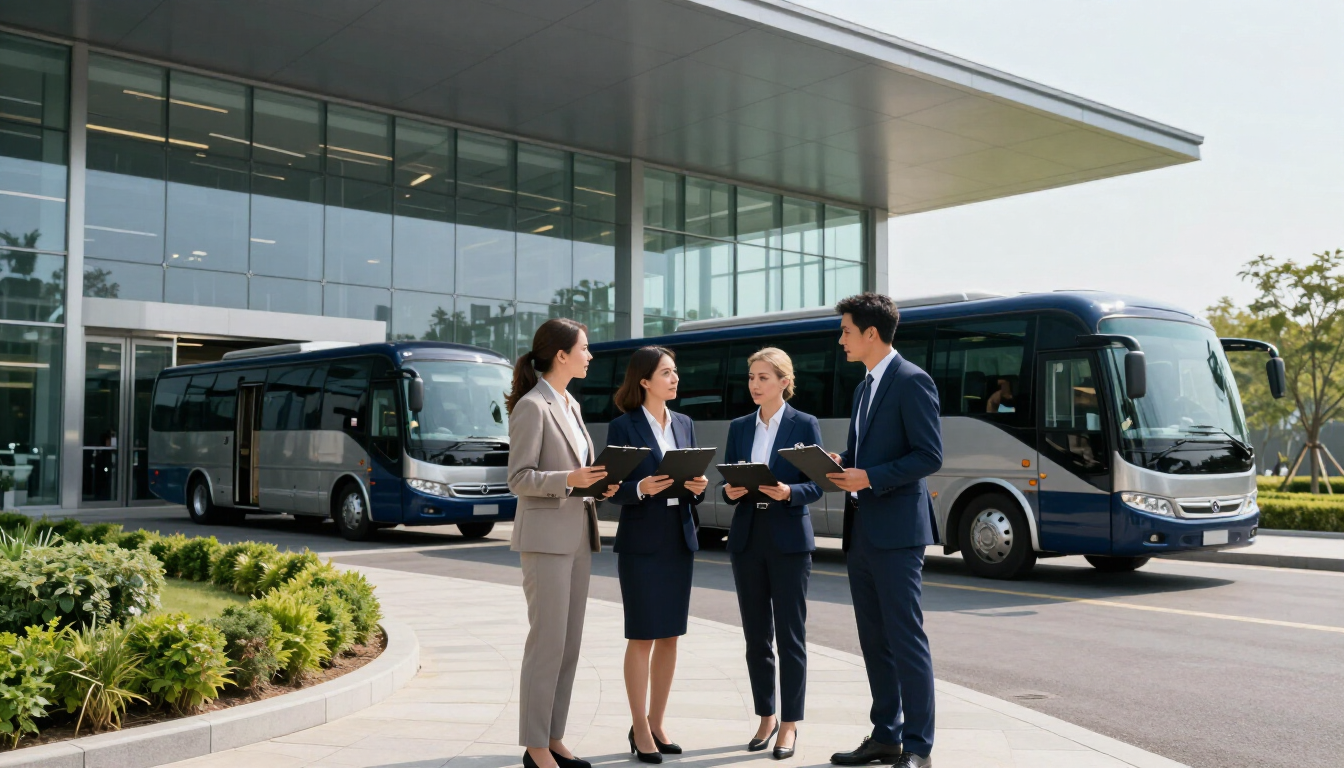
Managing a large group requires a centralized command structure. As the event planner, you shouldn't be the one calling individual drivers. You need a single point of contact, a transportation coordinator, who manages the entire fleet. This person stays in constant contact with you and the dispatch team, providing updates on vehicle locations and attendee flow.
One of the most effective ways to manage large groups is through a "hub and spoke" model. If your attendees are spread across multiple hotels, designate one hotel as the primary transport hub. Smaller vehicles can ferry attendees from secondary hotels to the hub, where larger shuttles then transport the entire group to the venue. This maximizes vehicle utilization and ensures that no one is left waiting at a remote location for an extended period.
Technology also plays a massive role. Real-time GPS tracking allows planners to see exactly where the shuttles are on a map. Some services even allow for automated SMS alerts to attendees when a shuttle is five minutes away. This level of transparency reduces anxiety and makes the transportation feel like a high-tech, integrated part of the conference rather than an afterthought.
- Appoint a dedicated on-site transportation coordinator.
- Use a hub-and-spoke model for multiple hotel locations.
- Leverage real-time GPS tracking and communication tools.
- Ensure all chauffeurs are briefed on the specific event itinerary.
- Pre-arrange permits for special parking or loading zones.
Master Your Event Logistics Today
Planning transportation for a corporate event or conference is a complex puzzle that requires precision, local knowledge, and the right equipment. By focusing on direct communication, strategic vehicle selection, and realistic timing, you can ensure your attendees stay on schedule and your VIPs feel valued. From a small executive retreat in Margate City to a massive convention in Atlantic City, the quality of your transportation partner is the foundation of your success.
In summary, remember that successful logistics are invisible. When transportation works perfectly, no one notices. They simply arrive where they need to be, refreshed and ready to work. It is only when logistics fail that they become the focal point of the event. Avoid the pitfalls by planning ahead, building in buffers, and choosing a service that prioritizes professional chauffeured excellence.
Key Takeaways for Your Next Event:
- Prioritize Direct Answers: Define your transport needs early to secure the best fleet options.
- Focus on the VIP Experience: Use dedicated SUVs for executives to ensure privacy and punctuality.
- Plan for Traffic: Always add a 20% time buffer for East Coast transit corridors.
- Communicate Clearly: Use signage and digital updates to keep attendees informed of shuttle times.
- Partner with Pros: Consult our FAQ or Contact us to start building your custom logistics plan.
For more information on how we can support your next corporate gathering, visit our Booking page to request a quote or view our full range of Service Areas throughout the New Jersey and Philadelphia region.